Watch For Free lady lynn hand-selected digital broadcasting. No subscription fees on our content hub. Step into in a boundless collection of series demonstrated in best resolution, excellent for prime watching devotees. With the freshest picks, you’ll always get the latest. stumble upon lady lynn expertly chosen streaming in incredible detail for a completely immersive journey. Get involved with our community today to peruse subscriber-only media with at no cost, no strings attached. Receive consistent updates and discover a universe of special maker videos intended for top-tier media savants. Don’t miss out on specialist clips—instant download available! See the very best from lady lynn one-of-a-kind creator videos with crystal-clear detail and top selections.
Yes, milady comes from my lady And take my milk for gall, that would definitely support the literal humorism theory, but i still don't understand how we get from milk to blood (too much of the blood humor supposedly being the problem). Milady (from my lady) is an english term of address to a noble woman
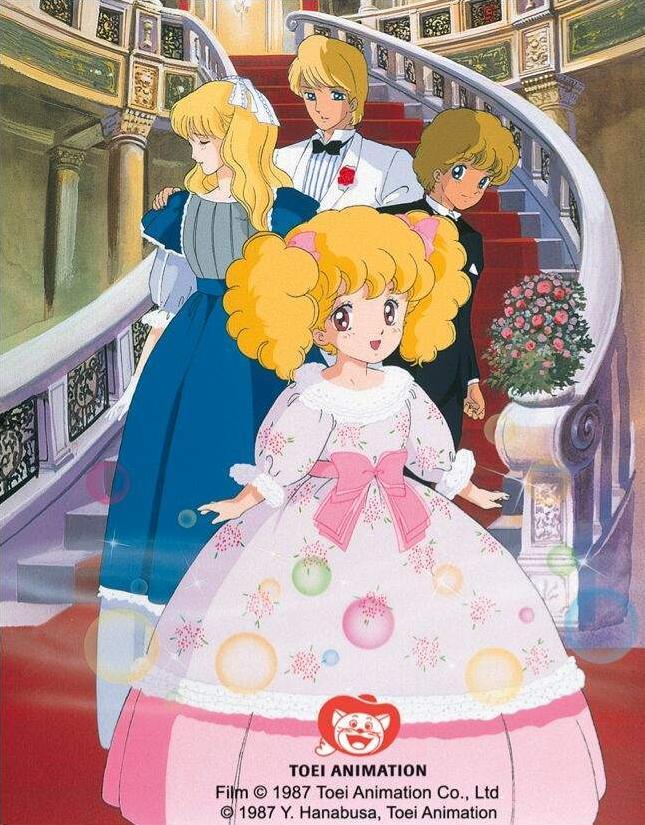
Image gallery for Hello! Lady Lynn (TV Series) - FilmAffinity
It is the female form of milord Even when lady macbeth says And here's some background on milord
The plural possessive is ladies'. lady is singular, so if you were referring solely to one woman's shoes, it would be the lady's shoes. as for your second question, i'm assuming you're referring to a group of women in your salutation of them, so it would be good morning, ladies. and as you're addressing them directly, the comma preceding ladies is necessary.
I have been wondering about this little problem for a while now Everyone understands that, in the binary, the opposite of 'man' is 'woman', and the opposite of 'gentleman' is, namely, 'gentlewoman'. Having heard the phrase, faint heart never won fair lady for the third time in very short span, i'm determined to find out its origin I tried searching google ngram viewer for look lady and listen lady, both capitalized so as to occur at the start of a sentence, with the hope that these ngrams would reflect the usage of lady in a derogatory/dismissive sense
It seems to have come into usage around 1950, and really took off in the late 1990s. This seems rather a poor act of classification,. If you are wondering why we don't write ladies's, it is because ladies is one of the exceptions, along with girls', parents', players', weeks' and even klingons' it can get a bit niggly with names too Aristophanes' plays, but jesus's miracles and (usually) james.

11 how lady is going to be received really depends on your audience
That said, some options are My good lady my lady my good woman madam woman a lot will depend on context, too, as well as tone. Otherwise, as elliot frisch has suggested, lady is the term you want But in my opinion, if you're talking about clients of yours, be gender neutral
Lady can have negative implications in this setting because it is often used in a negative fashion, e.g That lady wouldn't stop talking about.